By Dr. Saad Chaiwan a
Freelance writer.
Most of us feel sympathetic with the people living with HIV and AIDS, because many of them still suffer severely and with no effective solution. Thus we need both paradigm shift and divine action in our solving the HIV and AIDS epidemic problems. Dealing with the virus infection, there are some issues that need to be taken in account.
1. The HIV and AIDS Situation.
Today the HIV and AIDS infection rate per capita in Thailand, particularly in the North, is highest among the young people in schools and colleges. Though in general the rate is decreasing, but the young people still play a significant role in virus transmission. This is due to the fact that the HIV virus attacks the central need of human behavior, sexuality. "Men who have sex with men" behavior is also problematic in Thai society, which brings about the high rate of HIV infected patients.
Another group which contributes to the high virus transmission is among the hill tribes through drug addicts. From my interviews with Rev. Sanan Wutti, Director of Church of Christ in Thailand AIDS Ministry (CAM), a couple of physicians and reading a number of books dealing with HIV and AIDS positive patients, I have learned a great deal about the virus transmission among the hill tribes.
One thing is that many of the hill tribe people have been addicted to drugs since birth. They breathed in opium and heroin smoke when they were still babies. Whenever they cried annoyingly they would be intoxicated with smoke that put them to sleep in the long run.
Another aspect of virus transmission is through the IV drug use. After injecting themselves, the needles which they stick into their arms are not just stained with their friends blood, they sometimes actually are filled with blood. The addicts have sucked out their blood to fill half the syringes. They feel satisfactory that it gives greater pleasure to draw out such amount of blood. If the previous user has the virus epidemics it is surely enough that the next one will get the virus transmitted.

Thus the HIV and AIDS epidemic has generated the most sever crisis n the history of mankind.
2. Social desertion of the virus infected patients.
The HIV positive people often face severe social desertion. Moreover, they are globally stigmatized and killed by social desertion. Thus many people living with HIV and AIDS tend to commit suicide, because they are in many respects deserted by relatives, friends, communities and even their own families. Once these people were dignified with names and titles, yet after infection with the HIV virus, they were suddenly condemned and force to live in remote islands or deserted areas.

They, therefore prefer dying to living without dignity and empathy. They do not want to be an extra burden on the people's shoulder. Fortunately, some HIV positive people have sympathetic relatives who understand them and provide them with loving care. But many of the unfortunate patients never have experience of such acceptance. They have to hide themselves in the remote forests. They are so poor that they even cannot afford to pay for using toilets and bathrooms.
Some of the HIV positive patients in Baan Sabaay told me that before Rev. Sanan Wutti brought them to Baan Sabaay they could not stay with their families because they were rejected. They had not taken a bath for several weeks. They were forced to stay in the forests without blankets and certain materials for living. Though many people believe that home is the best place for the people living with HIV and AIDS, but surely not every house is a home where they can get compassion and loving care. Where will these unlucky people go? What can churches and christian bodies do for these unfortunate people? Where can sufficient income be found for their medical treatments and their daily living?
3. Medical services

We would like to express our sincere appreciation to many of the hospitals and personnel for their helpful medication and treatment without such loving care and inexhaustible efforts the HIV positive patients could hardly survive.
However, many aspects of the HIV virus epidemics are still undetected. Take the virus strains as example. So many strains have evolved making HIV and AIDS more complex to deal with. Certainly many undiscovered strains seem to move about invisibly which modern medical equipment and technology are unable to detect them.
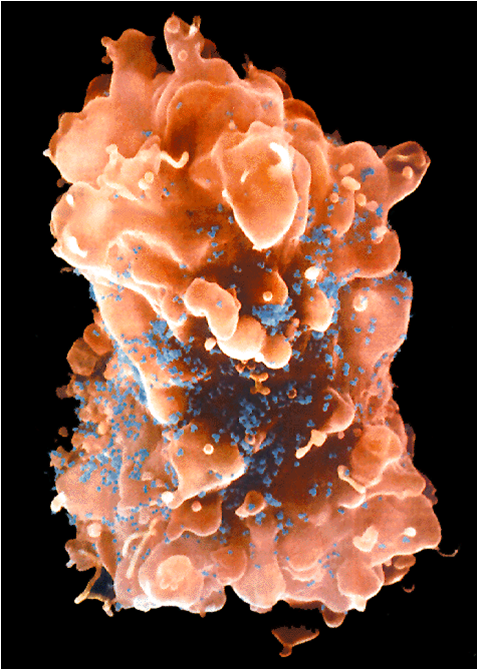
It may be due to the fact that physicians and scientists still do not have a firm well rounded understanding about the nature of the HIV virus. Most of the HIV positive patients cannot be effectively treated due to the virus developing resistance to medications after a period of intake. Another even more significant matter is the HIV virus is very difficult to be completely destroyed because it invades the human white blood cells and makes the white blood cell become a HIV factory and cannot fight against the virus.

I have learned from Rev. Sanan Wutti that the CCA has sponsored two seminars on sexuality and the prevention of HIV and AIDS in a holistic manner and the sacredness if sex and relationships that emphasize the mutual respect and honesty among the school and college students and pastors who have influence upon their communities. Surely such seminars would hopefully bring about greater awareness of HIV and AIDS and its root causes.
 4. Paradigm shift and divine action
I still believe that the problems of HIV and AIDS virus epidemics can be solved through paradigm shift and divine action. First of all we need a paradigm shift of the whole structure of human interpretation and involvement in the HIV and AIDS epidemics. A paradigm of understanding and integrating the AIDS epidemic and transforming the way of thinking and perception on AIDS. There must be a shift in a new social paradigm. We need not only to transform the social interpretation of AIDS, but to transform a global perception on AIDS as well. For the people living with HIV and AIDS are globally stigmatized. They are similar to the people who were infected with leprosy in the ancient African and Middle Eastern societies. The AIDS epidemics should be treated as other contagious diseases because a patient with HIV does not get infected from sharing the same glass, of course one cannot afford to be careless.
Secondly, we have to confess that humankind has a limitation both in intelligence and capability in whatever he/she does. Human wisdom is imperfect and fallible even though the intellectual may think he knows everything. God is the source of true wisdom and power and so should be obeyed and acknowledged in all things including solving the HIV and AIDS problems.
All HIV positive patients at Baan Sabaay under the auspices of the Church of Christ in Thailand AIDS Ministry (CAM) express their wholehearted thanks to the Church of Scotland for their financial support. Without such a financial assistance it would almost be impossible to get medical care and food for their daily living. It is due to the fact that they are so poor that they cannot afford to pay for such a long treatment and daily living expenses. Thus to all donors the Baan Sabaay's personnel and patients express their profound appreciation and heartfelt thanks for their loving kindness and gracious concerns.
 Thus the HIV and AIDS epidemic has generated the most sever crisis n the history of mankind.
2. Social desertion of the virus infected patients.
The HIV positive people often face severe social desertion. Moreover, they are globally stigmatized and killed by social desertion. Thus many people living with HIV and AIDS tend to commit suicide, because they are in many respects deserted by relatives, friends, communities and even their own families. Once these people were dignified with names and titles, yet after infection with the HIV virus, they were suddenly condemned and force to live in remote islands or deserted areas.
Thus the HIV and AIDS epidemic has generated the most sever crisis n the history of mankind.
2. Social desertion of the virus infected patients.
The HIV positive people often face severe social desertion. Moreover, they are globally stigmatized and killed by social desertion. Thus many people living with HIV and AIDS tend to commit suicide, because they are in many respects deserted by relatives, friends, communities and even their own families. Once these people were dignified with names and titles, yet after infection with the HIV virus, they were suddenly condemned and force to live in remote islands or deserted areas.  They, therefore prefer dying to living without dignity and empathy. They do not want to be an extra burden on the people's shoulder. Fortunately, some HIV positive people have sympathetic relatives who understand them and provide them with loving care. But many of the unfortunate patients never have experience of such acceptance. They have to hide themselves in the remote forests. They are so poor that they even cannot afford to pay for using toilets and bathrooms.
Some of the HIV positive patients in Baan Sabaay told me that before Rev. Sanan Wutti brought them to Baan Sabaay they could not stay with their families because they were rejected. They had not taken a bath for several weeks. They were forced to stay in the forests without blankets and certain materials for living. Though many people believe that home is the best place for the people living with HIV and AIDS, but surely not every house is a home where they can get compassion and loving care. Where will these unlucky people go? What can churches and christian bodies do for these unfortunate people? Where can sufficient income be found for their medical treatments and their daily living?
3. Medical services
They, therefore prefer dying to living without dignity and empathy. They do not want to be an extra burden on the people's shoulder. Fortunately, some HIV positive people have sympathetic relatives who understand them and provide them with loving care. But many of the unfortunate patients never have experience of such acceptance. They have to hide themselves in the remote forests. They are so poor that they even cannot afford to pay for using toilets and bathrooms.
Some of the HIV positive patients in Baan Sabaay told me that before Rev. Sanan Wutti brought them to Baan Sabaay they could not stay with their families because they were rejected. They had not taken a bath for several weeks. They were forced to stay in the forests without blankets and certain materials for living. Though many people believe that home is the best place for the people living with HIV and AIDS, but surely not every house is a home where they can get compassion and loving care. Where will these unlucky people go? What can churches and christian bodies do for these unfortunate people? Where can sufficient income be found for their medical treatments and their daily living?
3. Medical services
 We would like to express our sincere appreciation to many of the hospitals and personnel for their helpful medication and treatment without such loving care and inexhaustible efforts the HIV positive patients could hardly survive.
However, many aspects of the HIV virus epidemics are still undetected. Take the virus strains as example. So many strains have evolved making HIV and AIDS more complex to deal with. Certainly many undiscovered strains seem to move about invisibly which modern medical equipment and technology are unable to detect them.
It may be due to the fact that physicians and scientists still do not have a firm well rounded understanding about the nature of the HIV virus. Most of the HIV positive patients cannot be effectively treated due to the virus developing resistance to medications after a period of intake. Another even more significant matter is the HIV virus is very difficult to be completely destroyed because it invades the human white blood cells and makes the white blood cell become a HIV factory and cannot fight against the virus.
We would like to express our sincere appreciation to many of the hospitals and personnel for their helpful medication and treatment without such loving care and inexhaustible efforts the HIV positive patients could hardly survive.
However, many aspects of the HIV virus epidemics are still undetected. Take the virus strains as example. So many strains have evolved making HIV and AIDS more complex to deal with. Certainly many undiscovered strains seem to move about invisibly which modern medical equipment and technology are unable to detect them.
It may be due to the fact that physicians and scientists still do not have a firm well rounded understanding about the nature of the HIV virus. Most of the HIV positive patients cannot be effectively treated due to the virus developing resistance to medications after a period of intake. Another even more significant matter is the HIV virus is very difficult to be completely destroyed because it invades the human white blood cells and makes the white blood cell become a HIV factory and cannot fight against the virus.
 I have learned from Rev. Sanan Wutti that the CCA has sponsored two seminars on sexuality and the prevention of HIV and AIDS in a holistic manner and the sacredness if sex and relationships that emphasize the mutual respect and honesty among the school and college students and pastors who have influence upon their communities. Surely such seminars would hopefully bring about greater awareness of HIV and AIDS and its root causes.
 4. Paradigm shift and divine action
I still believe that the problems of HIV and AIDS virus epidemics can be solved through paradigm shift and divine action. First of all we need a paradigm shift of the whole structure of human interpretation and involvement in the HIV and AIDS epidemics. A paradigm of understanding and integrating the AIDS epidemic and transforming the way of thinking and perception on AIDS. There must be a shift in a new social paradigm. We need not only to transform the social interpretation of AIDS, but to transform a global perception on AIDS as well. For the people living with HIV and AIDS are globally stigmatized. They are similar to the people who were infected with leprosy in the ancient African and Middle Eastern societies. The AIDS epidemics should be treated as other contagious diseases because a patient with HIV does not get infected from sharing the same glass, of course one cannot afford to be careless.
Secondly, we have to confess that humankind has a limitation both in intelligence and capability in whatever he/she does. Human wisdom is imperfect and fallible even though the intellectual may think he knows everything. God is the source of true wisdom and power and so should be obeyed and acknowledged in all things including solving the HIV and AIDS problems.
All HIV positive patients at Baan Sabaay under the auspices of the Church of Christ in Thailand AIDS Ministry (CAM) express their wholehearted thanks to the Church of Scotland for their financial support. Without such a financial assistance it would almost be impossible to get medical care and food for their daily living. It is due to the fact that they are so poor that they cannot afford to pay for such a long treatment and daily living expenses. Thus to all donors the Baan Sabaay's personnel and patients express their profound appreciation and heartfelt thanks for their loving kindness and gracious concerns.
4. Paradigm shift and divine action
I still believe that the problems of HIV and AIDS virus epidemics can be solved through paradigm shift and divine action. First of all we need a paradigm shift of the whole structure of human interpretation and involvement in the HIV and AIDS epidemics. A paradigm of understanding and integrating the AIDS epidemic and transforming the way of thinking and perception on AIDS. There must be a shift in a new social paradigm. We need not only to transform the social interpretation of AIDS, but to transform a global perception on AIDS as well. For the people living with HIV and AIDS are globally stigmatized. They are similar to the people who were infected with leprosy in the ancient African and Middle Eastern societies. The AIDS epidemics should be treated as other contagious diseases because a patient with HIV does not get infected from sharing the same glass, of course one cannot afford to be careless.
Secondly, we have to confess that humankind has a limitation both in intelligence and capability in whatever he/she does. Human wisdom is imperfect and fallible even though the intellectual may think he knows everything. God is the source of true wisdom and power and so should be obeyed and acknowledged in all things including solving the HIV and AIDS problems.
All HIV positive patients at Baan Sabaay under the auspices of the Church of Christ in Thailand AIDS Ministry (CAM) express their wholehearted thanks to the Church of Scotland for their financial support. Without such a financial assistance it would almost be impossible to get medical care and food for their daily living. It is due to the fact that they are so poor that they cannot afford to pay for such a long treatment and daily living expenses. Thus to all donors the Baan Sabaay's personnel and patients express their profound appreciation and heartfelt thanks for their loving kindness and gracious concerns.


